If you’ve ever driven under a high-voltage power line, flipped on a light switch, or relied on industrial machinery that runs on electricity, you’ve likely benefited from a ceramic insulator. These unassuming components are the unsung heroes of electrical systems, designed to separate conductive parts from non-conductive surfaces and prevent dangerous current leaks. As a ceramic insulator supplier, I hear the same question over and over: “Do ceramic insulators require maintenance?” It’s a fair question—many assume ceramic is a “set-it-and-forget-it” material, tough and indestructible enough to last decades without any upkeep. But here’s the truth: while ceramic is one of the most durable insulator materials on the market, it’s not immune to wear, environmental damage, or gradual performance degradation. Ignoring small issues with these components can lead to costly downtime, safety hazards, or even full system failures, so understanding their maintenance needs is critical for anyone relying on them. Ceramic Insulators

Let’s start with what makes ceramic insulators reliable in the first place. Ceramic (usually high-grade alumina or porcelain) has extremely high electrical resistance, can withstand extreme temperatures, resists UV radiation, and holds up well against moisture—all properties that make it ideal for high-voltage, industrial, and infrastructure applications. For example, the long rod ceramic insulators lining power transmission towers or the small disc insulators inside electrical transformers are built to perform in harsh conditions, from desert heat to coastal salt spray. But durability doesn’t equal immortality. Over time, even the strongest ceramic can suffer from surface contamination, mechanical stress, or microscopic cracks that compromise its insulating properties. That’s where maintenance comes in—not as a frequent, labor-intensive chore, but as regular, proactive checks to keep insulators working as intended.
Many of our clients come to us saying they “never touch” their ceramic insulators, only to discover small issues during a routine inspection. The most common maintenance need for ceramic insulators is surface cleaning. Even in remote locations, dust, dirt, bird droppings, industrial pollution, and salt deposits can build up on the insulator’s surface. These contaminants are conductive, and when they absorb moisture from rain, dew, or humidity, they create a path for current to leak around the insulator instead of through it. This is called “surface flashover,” and it can cause power outages, equipment damage, or even electrical arcing that poses a fire risk. For utilities operating in polluted areas—like near factories, highways, or coastal regions—this is a particularly big concern. I recently worked with a power company in the Midwest that saw an unexpected 15% increase in flashover events during a season with heavy farm dust blowing onto their transmission lines. Simple, scheduled cleaning of their ceramic insulators cut those events by 80% within six months.
What about mechanical damage? Ceramic is hard, but it’s also brittle. A falling tree branch, harsh weather (hail is a common culprit), or even accidental impact during construction or maintenance work can chip or crack a ceramic insulator. Small surface cracks might seem insignificant at first, but they can grow over time, especially when exposed to temperature fluctuations that cause the ceramic to expand and contract. Worse, cracks can trap moisture or contaminants inside, creating hidden conductive paths that eventually lead to full insulator failure. The good news here is that mechanical damage is easy to catch with regular inspections—our clients who do quarterly visual checks report 90% fewer unplanned insulator-related outages than those who only inspect after a failure.
Temperature and thermal cycling are another underrated factor in ceramic insulator maintenance. While ceramic can withstand extreme heat, repeated rapid temperature changes (like when a power line is energized after being cold overnight, or during a sudden summer heatwave) can cause thermal stress. This stress can lead to microscopic internal cracks that aren’t visible to the naked eye but weaken the insulator’s electrical performance over time. In applications where insulators are exposed to frequent temperature swings—like industrial furnace equipment or outdoor substations in regions with harsh winters and hot summers—thermal stress monitoring should be part of the maintenance routine. Advanced techniques like ultrasonic testing can detect these internal cracks before they cause failure, which is a tool many smaller operations overlook.
Now, let’s get one thing straight: ceramic insulators require far less maintenance than alternative materials like polymer (plastic-based) insulators. Polymer insulators, for example, degrade faster from UV exposure, require special coatings to prevent contamination buildup, and need replacement every 10 to 15 years on average. Ceramic insulators, when properly maintained, can last 30 to 50 years or more. That’s a huge benefit for long-term projects, but it doesn’t mean no maintenance at all. The key difference is that ceramic maintenance is more about proactive checks and occasional cleaning, rather than frequent part replacement.
So what does a good ceramic insulator maintenance routine actually look like? It doesn’t have to be complicated. For most applications, following these four steps will keep your insulators performing reliably:
First, schedule regular visual inspections. For outdoor insulators, this can be done during routine infrastructure checks, either by eye with binoculars or using drones for hard-to-reach locations. Look for obvious signs of damage: chips, cracks, discoloration, or broken parts. Even small chips on the edge of a disc insulator can be a red flag, so don’t dismiss anything that looks out of the ordinary.
Second, clean insulators on a scheduled basis, tailored to your environment. If you’re in a rural area with little pollution, annual cleaning might be enough. For coastal or industrial sites, semi-annual or even quarterly cleaning is recommended. The best cleaning methods for ceramic insulators are low-pressure water washing (high pressure can damage the surface or force water into small cracks) and neutral pH detergents to break down tough contaminants like salt or grease. Avoid abrasive cleaners, as they can scratch the ceramic surface and make it more prone to future contamination buildup.
Third, perform electrical testing periodically. For critical applications like high-voltage transmission lines, testing the insulator’s electrical resistance every 2 to 5 years is a smart step. This can be done with portable testing equipment that measures how well the insulator blocks current. A sudden drop in resistance is a clear sign that the insulator is degraded and needs replacement.
Fourth, replace damaged insulators promptly. If an inspection finds a cracked or chipped insulator, don’t wait for it to fail. Even small damage can lead to bigger problems down the line, and replacing an insulator during a planned shutdown is far cheaper and safer than dealing with an unplanned power outage or equipment damage.
As a ceramic insulator supplier, I also work with our clients to tailor maintenance plans to their specific needs. For example, a manufacturing plant with insulators inside its high-temperature furnaces will have different needs than a wind farm with outdoor tower insulators. We provide customized guidance on cleaning frequencies, inspection schedules, and replacement timelines based on years of working with different industries and understanding how different environments impact ceramic performance.
I often hear from clients who think “ceramic” equals “maintenance-free,” and I get why that misconception exists. When you invest in high-quality alumina or porcelain insulators, you’re getting a product built to last. But treating these components as completely maintenance-free is a mistake that can cost you time, money, and safety. Last year, a small textile factory contacted us after their power transformer failed, shutting down production for three days and costing them over $100,000 in lost revenue. When we inspected the site, we found that a ceramic insulator inside the transformer had cracked from thermal stress, and no one had checked it in the 12 years it had been installed. A $50 insulator replacement, done during a routine annual check, would have prevented the entire outage.
At the end of the day, ceramic insulators are a long-term investment in the reliability of your electrical system. They’re designed to work hard, but even the hardest-working components need a little care to keep performing their best. The good news is that the maintenance required is minimal, proactive, and far more affordable than the alternative of unplanned failures. Whether you’re managing a power grid, an industrial facility, or a commercial building, taking the time to implement a simple maintenance plan for your ceramic insulators will save you time, money, and stress in the long run.
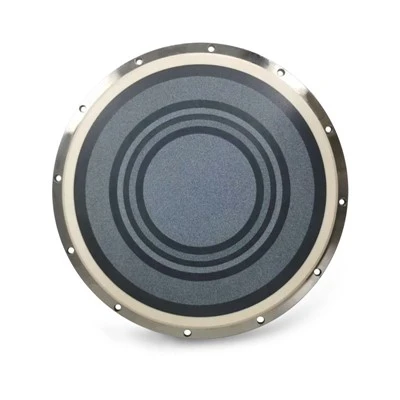
If you’re not sure if your current maintenance plan is sufficient, or you need high-quality ceramic insulators tailored to your application, we’re here to help. We work with clients across industries to supply reliable, long-lasting ceramic insulators and provide guidance on the best maintenance practices for your specific needs. Reach out to our team to discuss your requirements and find solutions that keep your electrical systems running smoothly for years to come.
Leaded Ceramic Packages References
- The Institute of Electrical and Electronics Engineers. (2018). Maintenance of Ceramic Insulators for High-Voltage Applications. IEEE Transactions on Power Delivery, vol. 33, no. 2, pp. 789-796.
- National Electrical Manufacturers Association. (2020). Comparison of Ceramic and Polymer Insulator Lifespan and Maintenance Requirements. NEMA Standards Publication INS-12.
- International Council on Large Electric Systems. (2019). Environmental Contamination and Ceramic Insulator Performance. CIGRE Technical Brochure 785.
- American Society for Testing and Materials. (2021). Standard Practice for Inspection and Maintenance of Ceramic Insulators in Electrical Equipment. ASTM International, Designation D2803-21.
Tessvida Technologies Pte. Ltd.
As one of the most professional ceramic insulators manufacturers and suppliers in China, we also support custom service and OEM service. Please feel free to buy high quality ceramic insulators at competitive price from our factory. Welcome to view our website for more information.
Address: 5008, Ang Mo Kio Ave.5, #04-09, Techplace II, Singapore 569874
E-mail: info@tessvida.com
WebSite: https://www.tessvida.com/
