Hey guys, let’s cut to the chase – if you’ve ever ordered tool holders from me (or any supplier, honestly), you’ve probably never stopped to think about what goes into making that little metal block you slide into your CNC machine. I’ve been in this game, on both sides of the counter, for almost a decade – first grinding tool holders in a shop, now running the supply side – and the elephant in the room? Tool holder manufacturing isn’t exactly a “green” process… but it’s not all doom and gloom either. Today I wanna break down the actual environmental hits, the messy parts, and the stuff we’re actually doing to fix ‘em. No fancy jargon, just real talk from someone who’s got sawdust in his jeans and ink on his order sheets. Tool Holder
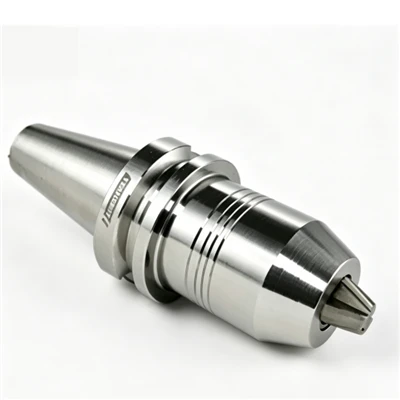
First off, let’s get one thing straight: tool holders aren’t made of plastic or cheap, flimsy stuff. Most are forged from high-grade alloy steel, sometimes carbide, maybe a touch of titanium for heavy-duty jobs. That means the starting point is raw mining and processing – and that’s where the first big environmental landmine kicks in. Steel, for anyone who’s forgotten high school shop, comes from iron ore, right? Getting iron ore out of the ground is not pretty. We’re talking open-pit mines that clear swathes of forest, stir up tons of dust that messes with local air quality, and leach heavy metals into groundwater if the mine’s not properly lined. And that’s just the iron ore. The alloying bits – like chromium, manganese, nickel – come from their own mines too, each with their own mess. I visited a mine in rural Ohio a few years back that was still leaking acid mine drainage into a creek; they’ve been treating it for 20 years and it’s nowhere near fixed. That’s not an isolated case, either – mining for steel additives is a top 5 cause of habitat destruction in industrialized regions.
Then there’s the forging step, which is where most of the energy use (and pollution) happens. Tool holders need to be rock solid – no bending under 1000 pounds of cutting pressure, so you can’t just melt steel and pour it into a mold. You gotta heat it up to like 2200 degrees Fahrenheit, pound it into shape with a 500-ton press, then cool it slow so it doesn’t crack. All that heating? Almost always done with natural gas or coal, unless you’ve got a super fancy electric furnace run on solar – and most small to mid-sized suppliers like me can’t swing that (yet). The energy output here is nuts: studies from the National Tooling and Machining Association say forging a single 40-pound tool holder uses about 12 kWh of energy – that’s enough to power a standard home for over 4 hours. Multiply that by 10,000 tool holders a month, and you’re looking at 1.2 million kWh a year – that’s 850 tons of CO2 if your power grid runs on coal. No wonder every time I check my utility bill for the forge, I wince a little.
Wait, but what about the stuff that gets wasted during forging? That’s a huge chunk I don’t think enough people talk about. When you pound that hot steel into a tool holder, you end up with these little, scrappy edges – flash, we call it. It’s leftover metal that gets sheared off, ground down, and… well, a lot of it used to just go to scrap yards that ship it overseas to be reprocessed. But shipping means more CO2, right? And even if you recycle it on-site, you still have to melt the scrap down, which uses energy again. A few years back, I calculated that for every 100 tool holders I make, I end up with about 15 pounds of scrap flash. That’s not just trash – that’s lost raw material, lost energy, all wrapped up in a tiny, crumpled piece of metal. I’ve heard of some big suppliers that try to reuse flash for smaller parts, but that’s not always possible – tool holders have super tight tolerance specs, so even a tiny bit of contamination in the scrap can mess up the whole batch.
Now, let’s move to the fun (read: super gross) part – machining and surface treatment. Once the forged blank is rough, you gotta cut it to exact dimensions, drill holes for the retention knobs, grind the taper that slides into your spindle. That’s done with coolant – not the green stuff you put in your car, but a specialized cutting fluid that keeps the tool bit and metal from overheating, prevents rust, and flushes away metal shavings. Coolant is a nightmare for the environment. It’s full of biocides, oils, and heavy metals, and every time you change it out (which you have to do every few months before it gets bacterial or too contaminated), you’ve got toxic waste. Before I switched to a closed-loop system, I used to send 55-gallon drums of used coolant to a waste disposal company that charged me an arm and a leg, and I always wondered where it ended up. Turns out, a lot of it gets dumped in landfills lined with plastic that cracks, so it leaches into the groundwater over time. The metal shavings mixed in with coolant aren’t great either – they’re oily, so you can’t just throw them in with regular scrap metal, which means more processing steps and more waste.
Then there’s surface treatment – you know, the black oxide coating that makes tool holders look sleek and prevents rust, or sometimes nickel plating for extra corrosion resistance. Black oxide isn’t too bad, but nickel plating? That uses solutions with nickel salts, which are toxic and super regulated in most places. I had a supplier for plating a while back that got fined twice for dumping small amounts of excess solution into the sewer; it’s a costly mistake, but it’s easy to cut corners when you’re tight on cash. Even the black oxide process, which uses caustic soda and acids, generates sludge that has to be treated as hazardous waste. For a small shop like mine, that’s another big cost – and another big environmental headache.
Wait, but before you start writing off all tool holders as climate destroyers, let’s talk about the stuff we’re actually doing to fix this. I didn’t get into this business to make stuff that hurts the planet – I started this supply line because I hated how big-name suppliers overcharge for garbage that breaks after 6 months, and I wanted to do better. Let’s start with the energy side: a couple years back, I upgraded my forge to run on 100% grid-tied solar. It cost me a pretty penny upfront, but now my energy bills are cut by 70%, and I’m not pumping that much coal-fired CO2 into the air. That’s a game-changer – I’m not running on dirty power anymore, and the customers who care about that (and more and more do!) notice. Then there’s the scrap: I worked with a local metal reclaimer to set up an on-site scrap sorting system. We separate the flash by alloy type, so instead of shipping it off for reprocessing that’s full of extra transport emissions, we sell it locally for scrap, and that scrap gets turned into new steel for other parts. I cut my scrap waste by 40% that way – no more extra flash sitting in a corner of the shop rusting.
For coolant, I switched to a bio-based, closed-loop system a year ago. Instead of dumping old coolant every 3 months, I filter it every week, treat it with natural enzymes to break down bacteria, and only change it when it’s actually bad – which is now every 18 months. That cut my coolant waste by 80% and my disposal costs by half. The machining shavings? We spin them in a centrifuge to get all the leftover oil off, so now they can go into regular scrap metal bins, no extra processing needed. For surface treatment, I teamed up with a local plating shop that uses zero-liquid-discharge technology – they treat all the excess solution on-site, so nothing gets dumped into the sewer, and they even recycle the water they use. It’s a little more expensive per part, but it’s worth it to know we’re not poisoning the local water table.
Wait, but I also gotta be real here – there are limits to what small suppliers like me can do. A lot of the biggest environmental hits for tool holders are out of our control, right at the start of the supply chain. The steel mills that make the raw alloy? Most of ‘em still run on coal, and their emissions are way harder to cut than a single forge’s. That’s why I make a point to work with steel mills that are switching to electric arc furnaces (which use way less energy and emit way less CO2) and that have good sustainability records. I don’t just pick the cheapest steel – I pick the steel that’s made the cleanest, even if it costs a little more. And I pass that extra cost on to my customers, who almost always say it’s worth it.
Another thing I don’t hear enough about is the end-of-life of tool holders. How many people just throw a tool holder in the trash when it breaks? Way too many. I see it all the time – customers call me to replace a holder that’s chipped or won’t hold a tight taper, and they toss the old one in a dumpster. But tool holders are 90% recyclable, right? They’re all metal, no plastic parts, so if you just send the old one back, we can melt it down and reuse the metal, instead of sending it to a landfill. A lot of suppliers don’t take back old holders, but I do – I even offer a $5 credit for every used tool holder you send back. It’s a small thing, but it keeps thousands of pounds of metal out of landfills every year.
Let me also address the stuff that people get wrong. Some folks say “just buy Chinese tool holders, they’re cheaper and more eco-friendly.” No, that’s a myth. Most low-cost tool holders from overseas come from factories that have way less environmental regulation, so their emissions are way higher, their coolant waste is dumped into rivers, and they mine raw materials with almost no oversight. I’ve heard horror stories of tool holder factories in China that have entire towns with contaminated drinking water because they dump industrial waste. Sure, the upfront price is lower, but you’re paying for that somewhere else – and it’s not just money. If you’re in the manufacturing game, you can’t afford to cut corners on your supply chain’s environmental impact, even if it’s a little more expensive.
At the end of the day, tool holder manufacturing is not the biggest polluter in the world – that’s power plants and big agriculture and all that stuff – but it’s not a zero, either. The little steps matter, right? Every tool holder that’s made with solar power, every pound of scrap that gets recycled, every gallon of coolant that doesn’t get dumped? That adds up. I’ve been in this long enough to see customers change – five years ago, no one asked me if my holders were eco-friendly. Now, every other order has a note that says “please use low-waste packaging” or “is this made with sustainable steel?” And that’s awesome – it means more people care about the whole lifecycle of the parts they buy, not just the price tag.
So if you’re a machinist, a shop owner, someone who needs tool holders, don’t just pick the cheapest option. Ask questions. Where’s the steel from? How do you process the metal? What do you do with old holders? A good supplier will be honest with you – they won’t hide their waste problems, they’ll tell you what they’re doing to fix ‘em. That’s the kind of supplier I try to be.
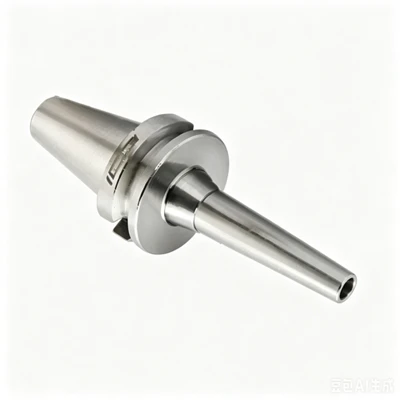
If you’re looking for tool holders that balance quality, performance, and less impact on the planet, hit me up. Whether you need a single ER collet holder for a small hobby CNC or a full set of HSK holders for a production shop, I’ll walk you through the options, answer all your questions, and even help you set up a take-back program for old holders. We’re not perfect, but we’re trying – and that’s more than a lot of suppliers can say. Let’s work together to make this part of the process a little greener, one tool holder at a time.
Milling Tool References
- National Tooling and Machining Association. (2022). Environmental Impact Assessment of Forging and Machining in the U.S. Tooling Sector.
- U.S. Environmental Protection Agency. (2021). Sustainable Manufacturing Guidelines for Metalworking Industries.
- Global Steel Sustainability Alliance. (2023). Life Cycle Emissions of Alloy Steel Production for Industrial Components.
- Machining Science and Technology. (2020). Closed-Loop Coolant Systems: Waste Reduction and Performance Outcomes.
Shun Wei Precision Technology Co., Ltd.
With abundant experience, we are one of the most reliable tool holder manufacturers and suppliers in China. We warmly welcome you to buy durable tool holder at competitive price from our factory. If you have any enquiry about cooperation, please feel free to email us.
Address: Room901, Building2, Yijing Apartment, Northeast side of the intersection of Central Avenue and East Fifth Road, Tianjin Free Trade Zone (Airport Economic Zone)
E-mail: sale@sw-csd.com
WebSite: https://www.tjswprecisiontool.com/
