Over the years, as a dedicated supplier of paper bag handle ropes, I’ve encountered numerous inquiries regarding the long – term durability and appearance of our products. One of the most frequently asked questions is: "Do paper bag handle ropes fade over time?" This question not only reflects the practical concerns of our clients but also lies at the heart of how we strive to maintain the quality of our paper bag handle ropes. In this blog, I’ll delve into this issue, exploring the factors that may cause fading and how we ensure the longevity of color in our ropes. Paper Bag Handle Ropes
Understanding the Composition of Paper Bag Handle Ropes
To start, it’s essential to understand what paper bag handle ropes are made of. Generally, these ropes are crafted from a variety of materials, with natural fibers like cotton, jute, and sisal being among the most popular choices. Synthetic fibers are also widely used due to their cost – effectiveness and durability. The coloration of these ropes is achieved through different dyeing processes, which can significantly influence their resistance to fading.
Natural Fibers
Natural fibers have a unique appeal. They are environmentally friendly and can give a rustic, natural look to paper bags. Cotton, for example, is highly absorbent, which makes it receptive to dyes. However, this very absorbency can also make it more prone to color fading under certain conditions. Jute and sisal, on the other hand, have a coarser texture. These fibers often take on a more earthy tone during the dyeing process, and their natural pigments can sometimes interact with the dyes, which may affect color retention.
Synthetic Fibers
Synthetic fibers such as polyester and nylon are known for their strength and resistance to environmental factors. They are less likely to absorb moisture compared to natural fibers. When dyed, the color molecules in synthetic fibers tend to bond more firmly, making them generally more resistant to fading. However, they are not entirely immune to color loss, especially when exposed to certain chemicals or extreme environmental conditions.
Factors That Contribute to Fading
Several factors can cause paper bag handle ropes to fade over time. Understanding these factors is crucial for both our company as a supplier and our clients who are looking to maintain the aesthetic appeal of their paper bags.
Sunlight Exposure
One of the primary culprits of rope fading is sunlight. Ultraviolet (UV) rays in sunlight can break down the chemical bonds in the dyes used to color the ropes. Natural fibers, in particular, may be more susceptible to UV damage. For example, a jute rope that is constantly exposed to direct sunlight may start to lose its color within a few weeks or months. Synthetic fibers are better at resisting UV rays, but prolonged exposure can still cause some degree of fading. When paper bags with handle ropes are displayed in storefronts or left outdoors, UV – induced fading can become a significant issue.
Moisture and Humidity
Moisture can also play a role in color fading. When ropes are exposed to high levels of humidity or come into contact with water, the dyes can start to bleed or leach out. This is especially true for ropes made from natural fibers, as water can open up the fiber pores, allowing the dyes to escape more easily. For example, if a paper bag with cotton handle ropes gets wet and is then left to dry in the sun, the combination of moisture and sunlight can accelerate the fading process.
Chemical Exposure
Chemical exposure is another factor to consider. Ropes may come into contact with various chemicals during shipping, storage, or use. For instance, if the ropes are stored in a warehouse where there are cleaning chemicals or other strong substances in the air, these chemicals can react with the dyes in the ropes. Even common substances like detergents or body lotions can have an impact on the color of the ropes if they come into direct contact.
Our Company’s Approach to Prevent Fading
As a supplier, we are committed to providing high – quality paper bag handle ropes that resist fading. We employ several strategies to ensure the long – lasting color of our products.
Quality Dyes
We source the best – quality dyes available in the market. Our dyes are specifically formulated to have excellent color fastness, which means they are able to maintain their color under normal conditions. We conduct rigorous testing on different dye lots to ensure that they meet our strict standards for color retention. For synthetic fibers, we use dyes that have a strong affinity for these materials, creating a more stable bond and reducing the risk of fading.
Pretreatment and Post – treatment Processes
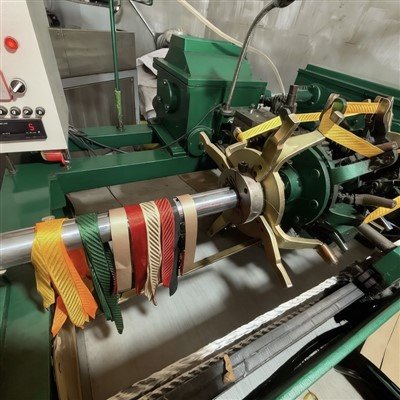
Before dyeing, our ropes undergo a pretreatment process to enhance their ability to absorb and retain color. This involves cleaning the fibers thoroughly to remove any impurities that could interfere with the dyeing process. After dyeing, we apply a post – treatment that helps to set the color and make it more resistant to environmental factors. For example, we use a special coating on some of our ropes to protect them from UV rays and moisture.
Color – matching and Testing
We understand that color consistency is crucial for our clients. That’s why we operate a state – of – the – art color – matching facility. Our team of experts ensures that each batch of ropes is dyed to match the exact color specifications provided by our clients. We also conduct continuous testing on finished ropes to monitor their color stability over time. This includes exposing the ropes to different environmental conditions in our testing chambers to simulate real – world scenarios and ensure that they can withstand the test of time.
Real – World Performance and Customer Feedback
We have received positive feedback from many of our clients regarding the color retention of our paper bag handle ropes. Retailers who use our ropes on their high – end paper bags report that the ropes maintain their vibrant color for a long time, even when the bags are on display for extended periods. However, we also recognize that in some extreme cases, slight fading may still occur. That’s why we offer a comprehensive after – sales service and support to our clients. We work closely with them to understand their specific needs and provide solutions to minimize any potential color – related issues.
Conclusion
In conclusion, while paper bag handle ropes can potentially fade over time due to factors such as sunlight exposure, moisture, and chemical contact, our company as a supplier takes every possible step to ensure that our products have excellent color fastness. We use high – quality dyes, advanced pretreatment and post – treatment processes, and strict quality – control measures to minimize the risk of fading. By understanding the issues surrounding color fading, our clients can make more informed decisions about how to store and display their paper bags with our handle ropes.
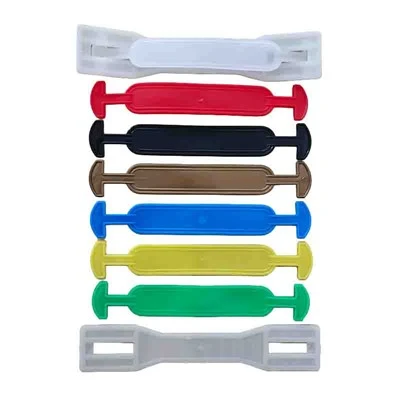
Connected Carry Handles If you are in the market for paper bag handle ropes that combine durability and long – lasting color, we would love to have the opportunity to work with you. We can provide samples for you to test the quality and color stability of our ropes firsthand. Whether you are a small – scale boutique or a large retail chain, we are confident that we can meet your paper bag handle rope needs. Feel free to reach out to us to discuss your specific requirements and explore how our products can enhance the aesthetic appeal of your paper bags.
References
- Textile Dyeing and Finishing Technology Handbook.
- Research on Color Fastness of Natural and Synthetic Fibers by [Research Institute Name]
- Environmental Impact on Textile Color Stability, Journal of Textile Science
Tengzhou Fujin Plastic Products Co., Ltd.
As one of the most professional paper bag handle ropes manufacturers and suppliers in China, we also support customized service. With abundant experience, we warmly welcome you to buy bulk paper bag handle ropes made in China here and get pricelist from our factory. For price consultation, contact us.
Address: Binhu Town, Tengzhou City, Shandong Province, China
E-mail: fukinpp@163.com
WebSite: https://www.tzfujin.com/
