In the realm of industrial operations, the efficient management of vapor emissions is not only a matter of environmental responsibility but also a crucial aspect of operational cost – effectiveness. As a supplier of Single or Modular Vapor Recovery Units (VRUs), I have witnessed firsthand the transformative impact these units can have on various industries. In this blog, we will delve deep into the efficiency of single vapor recovery units, exploring their principles, real – world applications, and the factors that determine their effectiveness. Single Or Modular Vapor Recovery Units
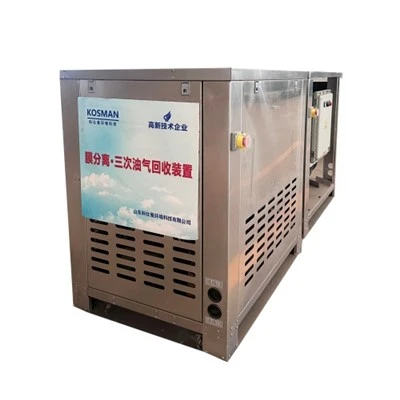
Principles of Single Vapor Recovery Units
Single vapor recovery units are designed with a simple yet powerful principle in mind: to capture, process, and return volatile organic compounds (VOCs) and other vapors to a usable state. At their core, these units operate based on one or a combination of three main recovery methods: absorption, adsorption, and condensation.
Absorption
The absorption method involves the use of a liquid solvent to absorb the vapors. The vapor – laden gas stream is passed through a column filled with the solvent, and the VOCs dissolve into the liquid. The clean gas is then released into the atmosphere, while the solvent with the absorbed VOCs is further processed to separate the VOCs for reuse or proper disposal. This method is highly effective for removing a wide range of VOCs, especially those that are soluble in the chosen solvent.
Adsorption
Adsorption relies on a solid adsorbent, such as activated carbon or zeolites, to trap the vapors. The gas stream passes through a bed of the adsorbent, and the VOC molecules adhere to the surface of the adsorbent. Once the adsorbent is saturated, it can be regenerated by heating or depressurizing, releasing the trapped VOCs for recovery. Adsorption is particularly useful for low – concentration vapor streams and can provide high – purity recovered products.
Condensation
Condensation works by cooling the vapor – laden gas stream to a temperature where the VOCs condense into a liquid. The condensed liquid is then separated from the gas phase and can be reused in the process. This method is efficient for high – concentration vapor streams and VOCs with relatively high boiling points.
Real – World Applications
Single vapor recovery units find applications in a diverse range of industries, each with its unique requirements and challenges.
Oil and Gas Industry
In the oil and gas sector, single VRUs play a vital role in preventing the release of hazardous vapors during storage and transportation. For example, when crude oil is stored in tanks, it emits VOCs such as benzene, toluene, and xylene. A single vapor recovery unit can capture these vapors and return them to the storage system, reducing environmental pollution and also preventing the loss of valuable hydrocarbons. Moreover, in refineries, VRUs are used to recover VOCs from various process streams, improving the overall efficiency of the refining process.
Chemical Manufacturing
Chemical plants often handle a wide variety of volatile chemicals. Single vapor recovery units are used to capture vapors emitted during chemical reactions, storage, and transportation. For instance, in the production of pharmaceutical chemicals, VRUs can capture and recover solvents used in the manufacturing process. This not only reduces the consumption of raw materials but also minimizes the risk of chemical exposure to workers and the environment.
Food and Beverage Industry
Even in the food and beverage industry, single vapor recovery units have their place. In the production of alcoholic beverages, for example, fermentation processes generate carbon dioxide and ethanol vapors. VRUs can capture the ethanol vapors, which can then be recycled and reused in the distillation process, leading to significant cost savings.
Factors Affecting the Efficiency of Single Vapor Recovery Units
The efficiency of a single vapor recovery unit is influenced by several factors, and understanding these factors is crucial for optimizing the performance of the unit.
Vapor Composition
The composition of the vapor stream is one of the most critical factors. Different VOCs have different physical and chemical properties, such as solubility, boiling point, and molecular weight. These properties determine which recovery method is most suitable and how efficiently the unit can operate. For example, if the vapor stream contains a high proportion of low – boiling – point VOCs, condensation may be less effective, and adsorption or absorption might be more appropriate.
Flow Rate and Concentration
The flow rate and concentration of the vapor stream also have a significant impact on efficiency. High – flow – rate vapor streams require larger – capacity units, and if the unit is undersized, it may not be able to capture all the vapors effectively. Similarly, extremely low – concentration vapor streams may require more advanced and sensitive recovery technologies to achieve high – efficiency recovery.
Operating Conditions
The operating temperature and pressure affect the performance of single vapor recovery units. For example, in condensation – based units, lower temperatures are required to achieve higher recovery rates. In adsorption units, the adsorption capacity of the adsorbent is influenced by the temperature and pressure of the gas stream. Additionally, the presence of other contaminants in the vapor stream, such as dust or moisture, can also affect the efficiency of the unit by fouling the adsorbent or interfering with the absorption process.
Measuring Efficiency
To accurately assess the efficiency of single vapor recovery units, several performance indicators can be used.
Recovery Rate
The recovery rate is perhaps the most straightforward measure of efficiency. It is defined as the ratio of the mass of the recovered VOCs to the mass of the VOCs in the incoming vapor stream. A high – recovery rate indicates that the unit is effectively capturing and recovering the vapors. However, it is important to note that achieving a 100% recovery rate is often not practical due to various factors such as equipment limitations and the presence of trace amounts of VOCs that are difficult to capture.
Emission Reduction
Another important indicator is the reduction in VOC emissions. By comparing the amount of VOCs released into the atmosphere before and after the installation of a single vapor recovery unit, the effectiveness of the unit in reducing environmental pollution can be determined. Regulatory bodies often set limits on VOC emissions, and a well – functioning VRU can help industries comply with these regulations.
Energy Consumption
Energy consumption is also a key factor in evaluating efficiency. A more efficient single vapor recovery unit should be able to achieve high recovery rates with minimal energy input. This not only reduces operating costs but also has a positive impact on the overall environmental footprint of the operation.
Case Studies
Let’s take a look at a few real – world case studies to illustrate the efficiency of single vapor recovery units.
Case Study 1: An Oil Storage Facility
An oil storage facility in a coastal region installed a single vapor recovery unit based on the adsorption method to capture the VOCs emitted from its crude oil storage tanks. Before the installation, the facility was losing a significant amount of hydrocarbons to the atmosphere, resulting in both financial losses and environmental concerns. After the installation of the VRU, the recovery rate of the VOCs reached over 90%. This not only reduced the facility’s environmental impact but also led to substantial cost savings through the reuse of the recovered hydrocarbons.
Case Study 2: A Chemical Plant
A chemical plant producing specialty chemicals was facing challenges with the emission of solvent vapors. The plant installed a single vapor recovery unit using the condensation method. By optimizing the operating temperature and pressure of the unit, the plant was able to achieve a recovery rate of over 95% for the solvents. This not only reduced the raw material consumption but also improved the air quality in and around the plant.
Conclusion

Single vapor recovery units are highly efficient tools for managing vapor emissions in various industries. Their ability to capture, process, and recover valuable VOCs not only helps industries meet environmental regulations but also offers significant cost – saving opportunities. By understanding the principles, applications, and factors affecting their efficiency, industries can make informed decisions when choosing and operating these units.
Gas Station Vapor Recovery Equipment If you are looking to improve the efficiency of your vapor management system, enhance environmental performance, and reduce operating costs, our Single or Modular Vapor Recovery Units could be the perfect solution for you. We have a team of experts ready to provide customized solutions based on your specific needs. Contact us to start a discussion about how our vapor recovery units can benefit your operations.
References
- Industries and Environment, "Vapor Recovery Technology: A Practical Guide," United Nations Environment Programme.
- Johnson, R., "Principles of Vapor Recovery in the Oil and Gas Industry," Journal of Petroleum Technology.
- Smith, A., "Advanced Adsorption Techniques for Vapor Recovery," Chemical Engineering Journal.
Shandong Kosman Environmental Technology Co., Ltd.
Shandong Kosman Environmental Technology Co., Ltd. is one of the leading manufacturers and suppliers of single or modular vapor recovery units in China, featured by quality products and low price. Please rest assured to buy advanced equipment made in China here and get pricelist from our factory. Customized orders are welcome.
Address: No. 5, single-story steel frame structure, Electromechanical Industrial Park, Chengwu County Economic Development Zone, Heze City, Shandong Province
E-mail: keshiman2021@126.com
WebSite: https://www.kosman-vrufactory.com/
