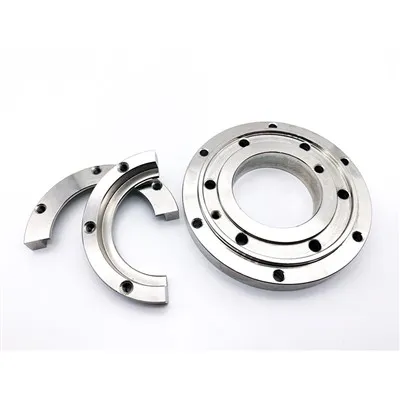
Flanges are crucial components in various industries, serving as connectors between pipes, valves, pumps, and other equipment. As a flange supplier, I have extensive knowledge and experience with different types of flanges and their applications. In this blog, I will explore the various types of flanges, their features, and typical uses to help you make informed decisions for your projects. Flange
Weld Neck Flanges
Weld neck flanges are among the most commonly used types in high-pressure and high-temperature applications. They are characterized by a long, tapered neck that is welded to the pipe. This design provides a smooth flow path and minimizes turbulence within the pipeline, which is essential for reducing stress concentrations and preventing corrosion.
The weld neck flange is suitable for critical applications where reliability and safety are paramount. For example, in the oil and gas industry, weld neck flanges are frequently used in pipelines transporting crude oil, natural gas, and refined products. Their excellent structural integrity makes them withstand the harsh operating conditions, including high pressure and fluctuating temperatures.
Slip-On Flanges
Slip-on flanges are another popular option due to their ease of installation. They are designed with a slightly larger diameter than the pipe, allowing them to slip over the end of the pipe. Once in place, the flange is welded to the pipe on both the inside and outside to ensure a secure connection.
Slip-on flanges are cost-effective and commonly used in low-pressure, non-critical applications. They are often found in water distribution systems, fire protection systems, and general plumbing installations. Their relatively simple design and easy installation make them a practical choice for projects where time and cost are important factors.
Socket Weld Flanges
Socket weld flanges are similar to slip-on flanges, but they have a socket or recess that the pipe fits into. The pipe is inserted into the socket and then welded around the top edge. This design creates a smooth interior surface, which is beneficial for reducing turbulence and preventing the accumulation of debris.
Socket weld flanges are typically used in small-diameter pipes and low-pressure applications. They are common in instrumentation and control systems, as well as in some chemical processing plants. The socket weld connection provides good resistance to vibrations and shocks, making it suitable for applications where the pipeline may be subject to movement.
Blind Flanges
Blind flanges are used to close the end of a pipe, valve, or vessel. They do not have a bore in the center, effectively blocking the flow of fluid. Blind flanges are available in various sizes and pressure ratings to meet different application requirements.
Blind flanges are often used during maintenance and testing operations. For instance, when a section of a pipeline needs to be isolated for repair or inspection, a blind flange can be installed to prevent the flow of fluid into that section. They are also used in the initial construction of pipelines to temporarily close off unused connections.
Threaded Flanges
Threaded flanges have internal threads that allow them to be screwed onto the end of a threaded pipe. This type of flange is easy to install and remove, making it suitable for applications where frequent disassembly is required.
Threaded flanges are commonly used in low-pressure piping systems, such as those found in residential and commercial plumbing. They are also used in some industrial applications where the pressure is relatively low and the pipe size is small. However, threaded flanges may not be suitable for high-pressure or high-temperature applications due to the potential for leakage at the threaded connection.
Lap Joint Flanges
Lap joint flanges consist of two components: a lap joint stub end and a loose backing flange. The stub end is welded to the pipe, while the backing flange can rotate freely around the stub end. This design allows for easy alignment during installation and makes it possible to adjust the position of the flange without having to re-weld the pipe.
Lap joint flanges are often used in systems where frequent dismantling is necessary, such as in food processing and pharmaceutical industries. They are also suitable for applications where the pipe may need to be adjusted or realigned after installation.
Orifice Flanges
Orifice flanges are specifically designed for use with orifice plates, which are used to measure the flow rate of fluid in a pipeline. They have a special arrangement of pressure taps and gaskets to ensure accurate measurement of the pressure differential across the orifice plate.
Orifice flanges are commonly used in the oil and gas industry, chemical processing plants, and water treatment facilities. Their precise design and installation are crucial for obtaining accurate flow measurements, which are essential for process control and monitoring.
Spectacle Blind Flanges
Spectacle blind flanges, also known as figure-8 blinds, are a combination of a blind flange and a spacer flange. They are designed to be easily switched between a closed position (blind) and an open position (spacer) to isolate or allow the flow of fluid in a pipeline.
Spectacle blind flanges are often used in industries where isolation and maintenance are required. For example, in petrochemical plants, they can be used to isolate sections of a pipeline during maintenance or shutdown operations. Their unique design allows for quick and easy isolation without the need to completely remove the flange.
Selecting the Right Flange
When choosing the right flange for your application, several factors need to be considered. These include the operating pressure and temperature, the type of fluid being transported, the pipe size and material, and the installation requirements.
For high-pressure and high-temperature applications, weld neck flanges are usually the best choice due to their superior strength and reliability. In low-pressure applications, slip-on or threaded flanges may be more suitable due to their cost-effectiveness and ease of installation.
The type of fluid being transported also plays an important role in flange selection. For corrosive fluids, flanges made of corrosion-resistant materials such as stainless steel or alloy steel may be required. In addition, the compatibility of the flange material with the gasket material must also be considered to prevent leakage.
Conclusion
In conclusion, there are many types of flanges available, each with its own unique features and applications. As a flange supplier, I understand the importance of selecting the right flange for your specific needs. Whether you are working on a small plumbing project or a large industrial installation, I can provide you with high-quality flanges that meet your requirements.
Api 6b Flange If you are in need of flanges for your project, I encourage you to contact me to discuss your specific needs. I have a wide range of flanges in stock and can also offer custom solutions to meet your unique specifications. Let’s work together to ensure the success of your project.
References
- ASME B16.5 – Pipe Flanges and Flanged Fittings
- API 6A – Specification for Wellhead and Christmas Tree Equipment
- ASTM Standards for Flange Materials
Shanxi Xinshunda Flange Manufacturing Co., Ltd.
As one of the most professional flange manufacturers and suppliers in China, we also support customized service with competitive price. We warmly welcome you to wholesale high quality flange for sale here from our factory. For quotation, contact us now.
Address: Zhunagli Industrial Zone,jinchang Town,dingxiang,shanxi,china
E-mail: sales01@xinflange.com
WebSite: https://www.xinflange.com/
